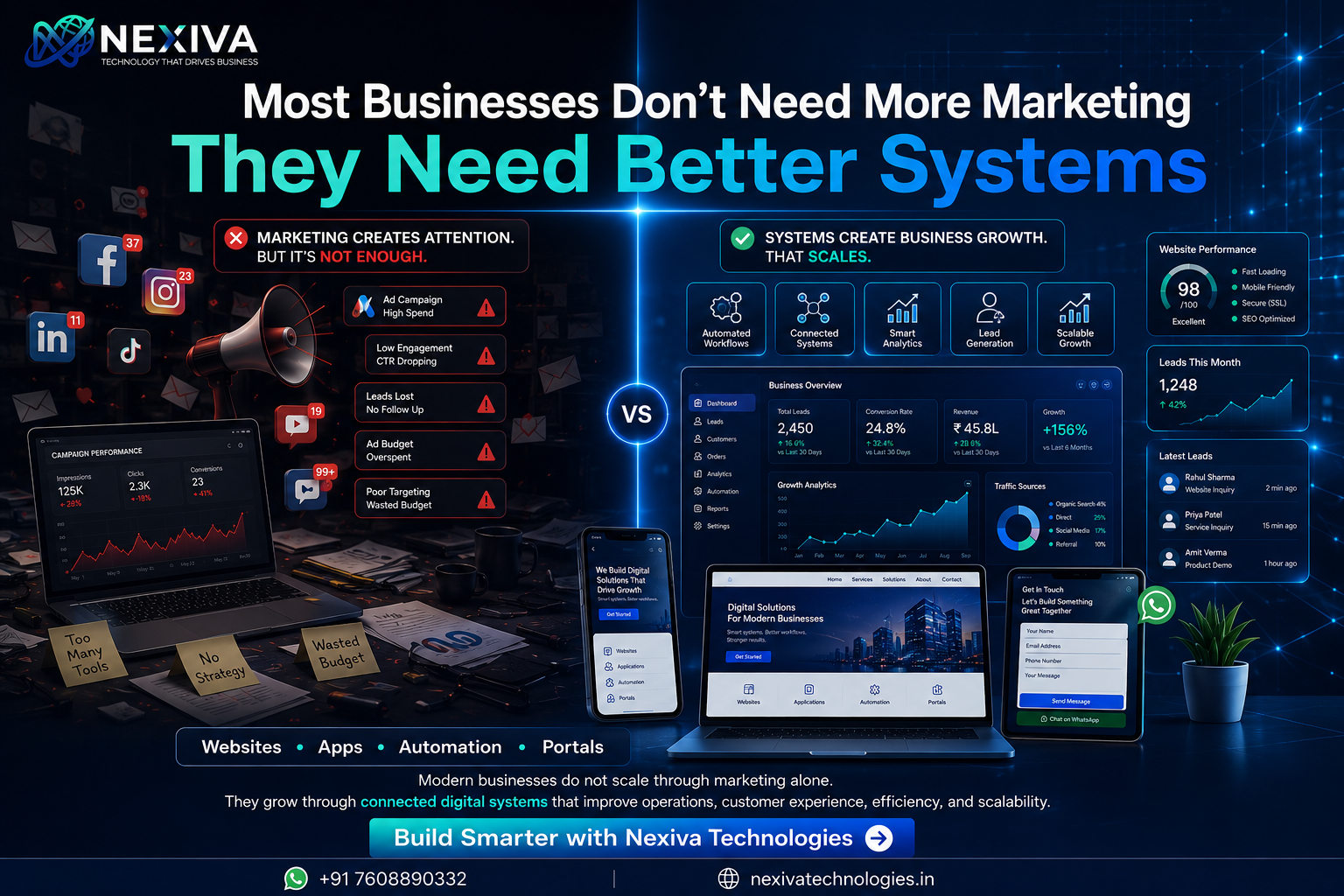
How Slow Websites Reduce Customer Trust and Sales
Website speed directly affects customer trust, SEO performance, and conversion rates. Learn why fast-loading websites are essential for modern business growth and digital success.
Introduction
In today’s fast-moving digital environment, website speed has become one of the most important factors influencing customer experience, online visibility, and business growth. Modern customers expect websites to load quickly, function smoothly, and provide instant access to information across all devices.
A slow website not only frustrates users but also negatively impacts customer trust, SEO rankings, lead generation, and sales performance. In 2026, businesses operating with slow and poorly optimized websites risk losing customers to competitors offering faster and more seamless digital experiences.
Website performance is no longer just a technical factor — it directly affects how customers perceive a business. A professional, fast-loading website creates confidence, improves engagement, and supports long-term business growth.
For modern businesses, website speed optimization has become essential for maintaining competitiveness in the digital marketplace.
Why Website Speed Matters in Modern Business
Consumer behavior has evolved significantly in recent years. Customers now expect immediate digital experiences and have very little patience for delays.
When users visit a slow website, they often:
- leave the site quickly,
- lose trust in the business,
- become frustrated,
- and search for alternatives.
Studies consistently show that users are more likely to abandon websites that take too long to load. This directly impacts:
- customer engagement,
- inquiry generation,
- conversion rates,
- and overall business revenue.
A fast website creates a smoother customer journey, improves satisfaction, and increases the chances of customer interaction.
Slow Websites Create Poor First Impressions
A website is often the first interaction potential customers have with a business. First impressions play a major role in customer trust and decision-making.
When a website loads slowly, customers may assume:
- the business is outdated,
- the company lacks professionalism,
- or the organization does not prioritize user experience.
This perception can reduce customer confidence before any communication even begins.
Modern customers associate fast, responsive websites with:
- professionalism,
- reliability,
- security,
- and business quality.
Businesses investing in website speed optimization create stronger digital credibility and improve brand perception.
Website Speed Directly Impacts Customer Trust
Trust is one of the most important elements of online business success. Slow websites negatively affect trust because they create uncertainty and frustration.
When users experience:
- delayed page loading,
- broken functionality,
- slow navigation,
- or lagging mobile performance,
they often lose confidence in the business.
Customers are far more likely to engage with businesses that provide:
- fast browsing experiences,
- seamless mobile usability,
- smooth navigation,
- and responsive interfaces.
Website speed optimization improves customer confidence by creating a more reliable and professional digital experience.
Slow Websites Increase Bounce Rates
Bounce rate refers to the percentage of users who leave a website without interacting further.
Slow websites significantly increase bounce rates because users rarely wait for pages to load completely. In highly competitive industries, customers quickly move to competitors offering better digital experiences.
High bounce rates negatively impact:
- lead generation,
- SEO performance,
- customer engagement,
- and conversion opportunities.
A fast-loading website keeps users engaged longer and encourages them to explore services, products, and business information.
Website Speed Affects SEO Rankings
Google considers website speed an important ranking factor in search engine optimization (SEO).
Search engines prioritize websites that provide:
- better user experience,
- faster loading times,
- mobile responsiveness,
- and optimized performance.
Slow websites often struggle to rank effectively in search results because poor performance negatively impacts user satisfaction.
Website speed optimization helps businesses:
- improve Google rankings,
- increase organic traffic,
- enhance visibility,
- and attract more potential customers.
For businesses focused on digital growth, website performance optimization is essential for long-term SEO success.
Mobile Website Speed Is More Important Than Ever
Most internet users now access websites through smartphones and mobile devices. Mobile users expect websites to load quickly and function smoothly regardless of device type.
Slow mobile websites create major usability problems such as:
- delayed loading,
- difficult navigation,
- poor responsiveness,
- and higher abandonment rates.
Google also uses mobile-first indexing, meaning mobile website performance directly affects search rankings.
A mobile-optimized fast website improves:
- user engagement,
- customer experience,
- local SEO visibility,
- and lead generation.
Businesses without responsive and optimized websites risk losing significant mobile traffic.
Slow Websites Reduce Conversion Rates
Website conversions include:
- contact form submissions,
- inquiries,
- bookings,
- purchases,
- and consultation requests.
When websites load slowly, users are less likely to complete actions because delays interrupt the customer journey.
A fast website improves:
- customer confidence,
- navigation flow,
- interaction rates,
- and conversion opportunities.
Even small improvements in website loading speed can significantly increase inquiry and sales performance.
For businesses focused on lead generation, website speed directly influences revenue potential.
Website Performance Influences Brand Perception
Modern customers judge businesses based on digital experience quality. A slow website can create a negative brand image even if the business provides excellent services.
Fast websites communicate:
- professionalism,
- efficiency,
- technical capability,
- and customer focus.
Businesses investing in website optimization demonstrate commitment to quality user experiences and modern digital standards.
This becomes especially important for:
- IT companies,
- professional service providers,
- healthcare organizations,
- real estate companies,
- and enterprise businesses.
Common Causes of Slow Websites
Many business websites experience performance issues due to poor optimization practices.
Common causes include:
- large unoptimized images,
- low-quality hosting,
- excessive plugins,
- outdated code,
- poor server response,
- unoptimized databases,
- and lack of caching systems.
Without regular website maintenance and optimization, performance problems often increase over time.
Professional website development and technical optimization help businesses maintain fast and stable website performance.
Benefits of Website Speed Optimization
Website speed optimization provides several long-term business advantages.
Improved Customer Experience
Fast websites create smoother and more enjoyable browsing experiences.
Better SEO Rankings
Optimized websites perform better in Google search results.
Higher Conversion Rates
Faster websites increase inquiries, bookings, and customer actions.
Stronger Customer Trust
Professional performance improves credibility and confidence.
Reduced Bounce Rates
Users stay engaged longer on optimized websites.
Better Mobile Performance
Responsive optimization improves usability across devices.
Increased Business Competitiveness
Fast websites help businesses stand out in crowded digital markets.
Website Speed Optimization Is a Long-Term Investment
Website optimization should not be viewed as a one-time technical task. Continuous monitoring and improvement are necessary to maintain performance standards.
Modern businesses should regularly:
- monitor loading speed,
- optimize images,
- improve server performance,
- update website infrastructure,
- and enhance mobile responsiveness.
Long-term website optimization helps businesses maintain strong digital performance while supporting SEO growth and customer engagement.
The Competitive Advantage of Fast Websites
Businesses with fast-loading websites gain a significant advantage over competitors with poor digital experiences.
Customers are more likely to:
- trust fast websites,
- engage longer,
- submit inquiries,
- and complete purchases.
In competitive industries, website performance can directly influence customer acquisition and business growth.
A fast website is no longer optional — it has become a critical component of modern digital success.
Conclusion
Website speed has become one of the most important factors affecting customer trust, SEO performance, lead generation, and online sales in 2026. Slow websites create frustration, reduce engagement, increase bounce rates, and negatively impact business credibility.
Modern customers expect fast, seamless, and mobile-friendly digital experiences. Businesses that invest in website speed optimization position themselves for stronger online visibility, better customer experience, higher conversions, and long-term growth.
A professional, optimized website is more than just a digital platform — it is a business growth asset that supports trust, visibility, and competitive success.
NexivaGen Technologies helps businesses build fast, scalable, SEO-friendly digital solutions optimized for performance, user experience, and long-term growth.
Frequently Asked Questions
Frequently Asked Questions (FAQ)
Why is website speed important for businesses?
Website speed affects customer experience, trust, SEO rankings, lead generation, and conversion rates. Fast websites improve engagement and business performance.
How do slow websites affect customer trust?
Slow websites create frustration and make businesses appear outdated or unprofessional, reducing customer confidence and engagement.
Does website speed impact SEO rankings?
Yes. Google considers website speed an important ranking factor because faster websites provide better user experiences.
How do slow websites reduce sales?
Slow websites increase bounce rates and reduce customer interactions, causing businesses to lose inquiries, leads, and conversions.
Why is mobile website speed important?
Most users browse websites on mobile devices. Fast mobile performance improves user experience, engagement, and local SEO visibility.
What causes slow website performance?
Common causes include poor hosting, unoptimized images, excessive plugins, outdated code, and lack of technical optimization.
How can businesses improve website speed?
Businesses can improve speed through image optimization, better hosting, caching systems, responsive design, and technical website optimization.
Can website speed affect lead generation?
Yes. Faster websites improve user engagement and increase the chances of visitors submitting inquiries or contacting the business.
What is website speed optimization?
Website speed optimization is the process of improving loading times, responsiveness, and overall website performance for better user experience and SEO.
Why are fast websites important in 2026?
Modern customers expect instant digital experiences. Fast websites help businesses remain competitive, trustworthy, and visible online.